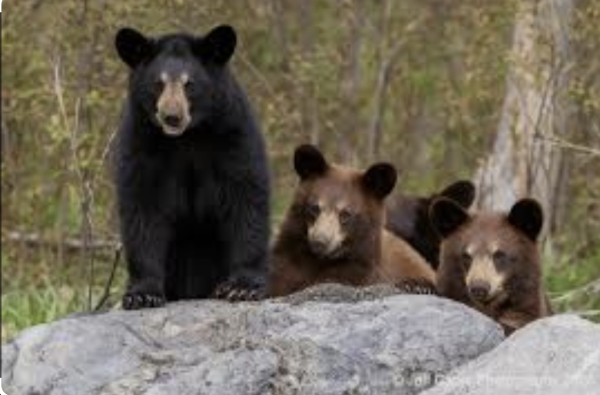
Bears are hungry Spring, Summer and Fall, from when they wake up from hibernation to when they gorge themselves for hibernation. See this website for more information on Bears: https://bearwise.org/
This year, 2026, has seen a great deal of Bear activity. Please protect you garbage cans and bird feeders!
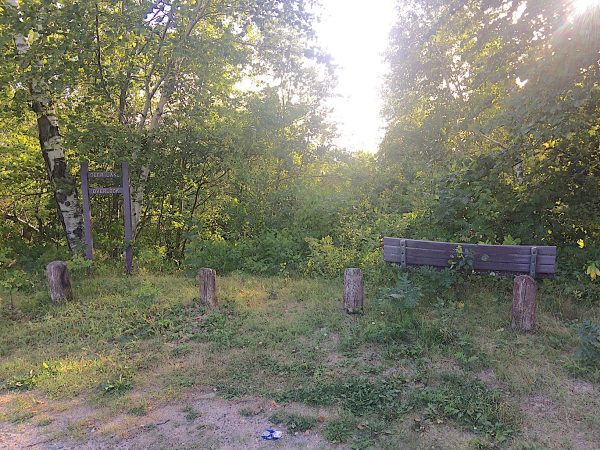
Please join us for a dedication event onsite on Thursday, June 25th at 1:00 p.m. Kids welcome! We will meet at the pull-off parking area on County Road 62 at the entrance to Wabu Woods SNA. Directions can be found here. Please note that parking is limited, so please consider carpooling. We are generally planning to hold the event rain or shine, but in case of forecasted lightning or other severe weather, we may meet earlier in the day. Please check the DLA Facebook page or SNA Facebook page for weather or other updates.Schedule of Events:
Gathering at the County Road 62 parking area
Short presentation from the Deer Lake Association and DNR SNA Unit on site history
A naturalist-led hike into the new addition
Community Science table and activities
Please join us!
For a full description of this Deer Lake water quality conservation project, please click here.
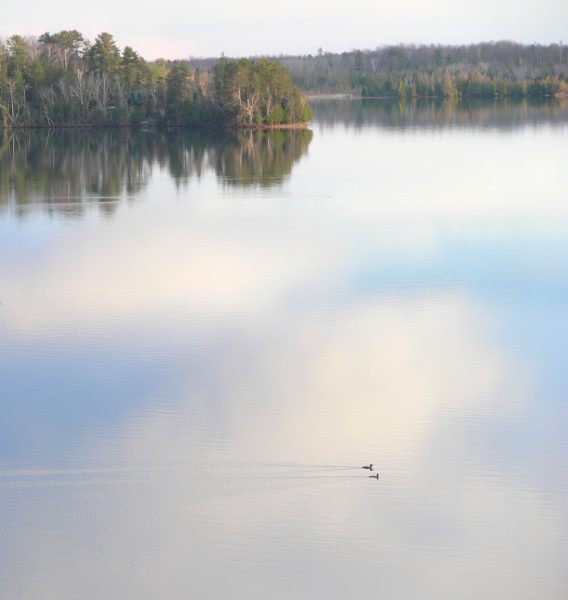
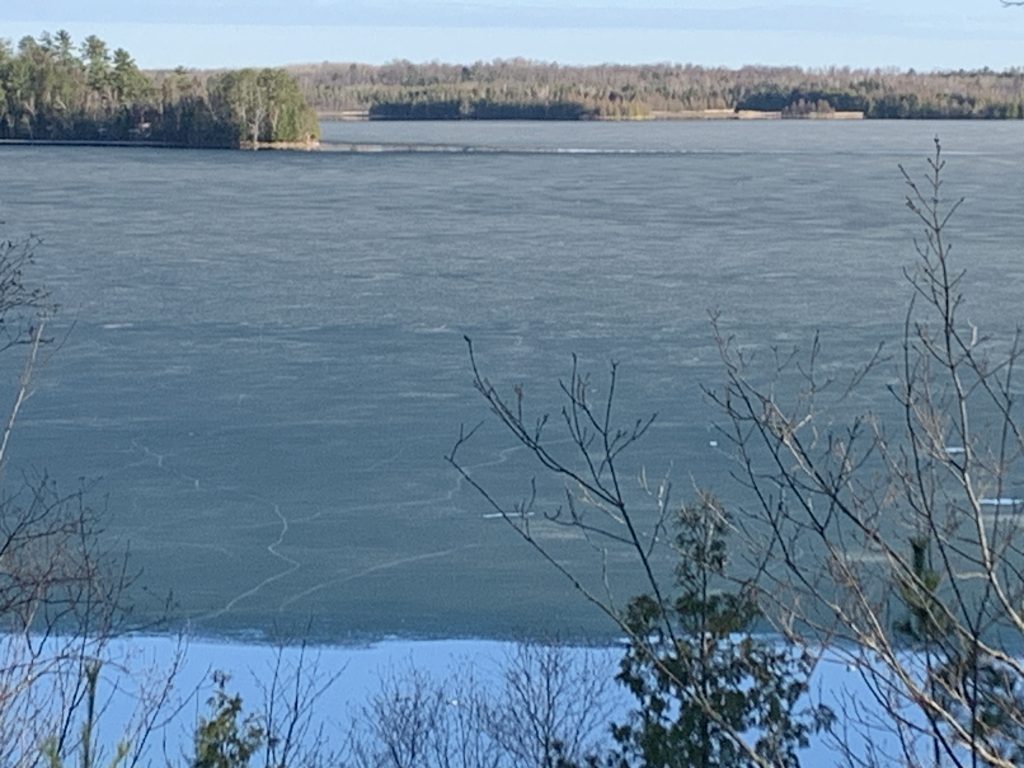
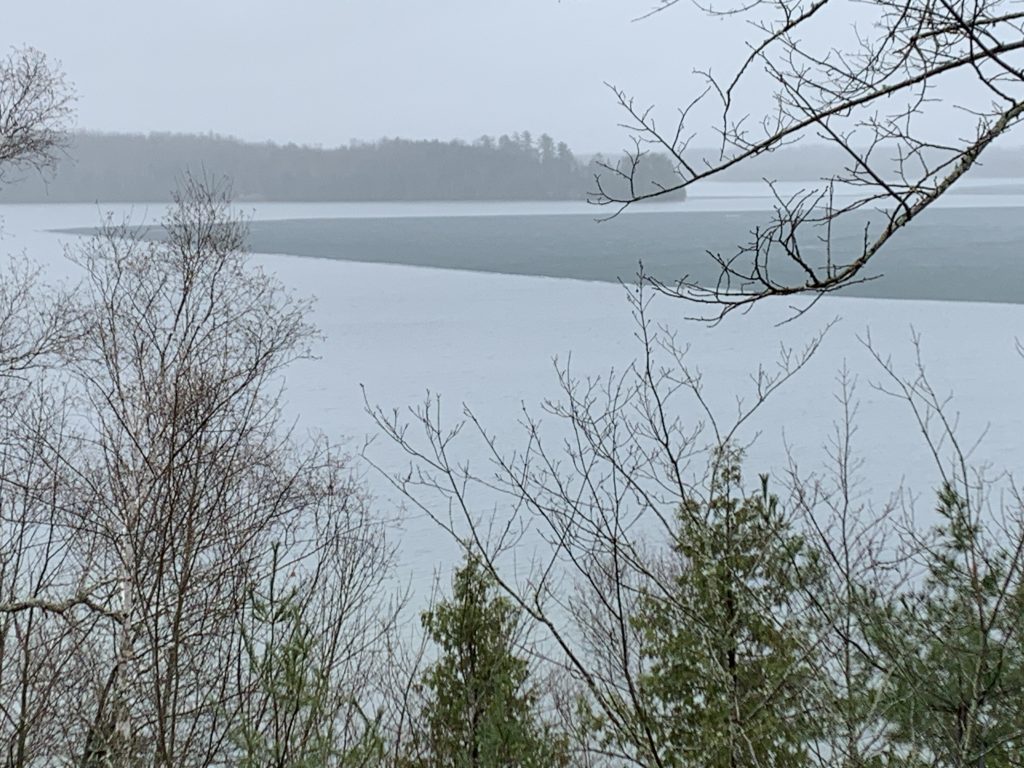
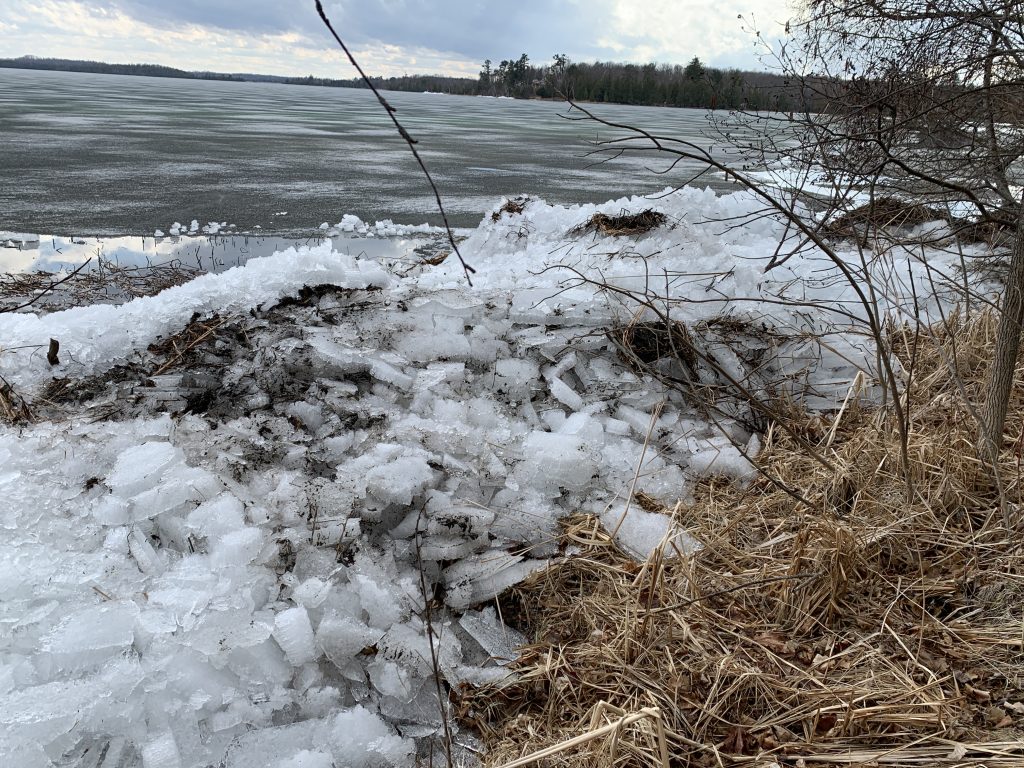
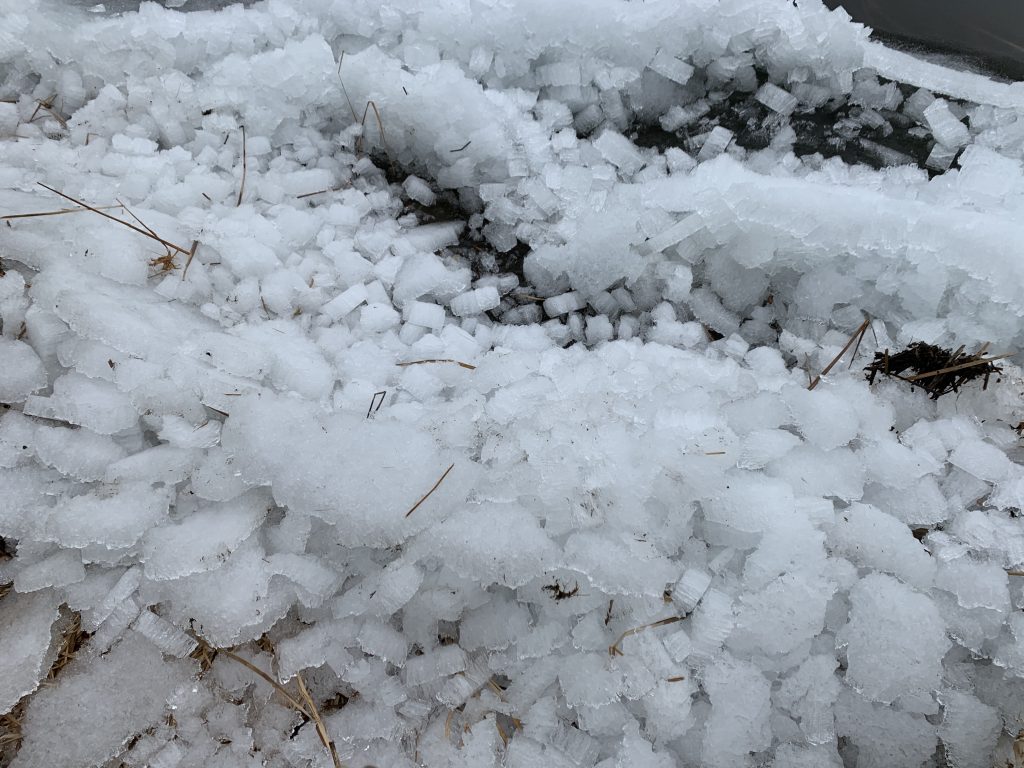
The Ice on Deer Lake gradually became darker and darker, with open water along much of the shoreline. Then it began to travel around and about buffeted by the wind, and crashing into random locations where the ice-cubes piled up, sometimes damaging the shore. A day of steady rain (April 27) finished the ice off, with the Loons now returned and very happy!
The DNR allows property owners to remove or grade ice ridges (ice damage) without an individual permit if the ridge formed within the last year, affects less than 200 feet of shoreline, and materials are properly placed above the ordinary high water level (OHWL). However, sometimes it is better to leave the ridge as a natural (and free) buffer that stops run-off and storm-water from directly entering the lake along with dirt, sand, lawn chemicals and debris.
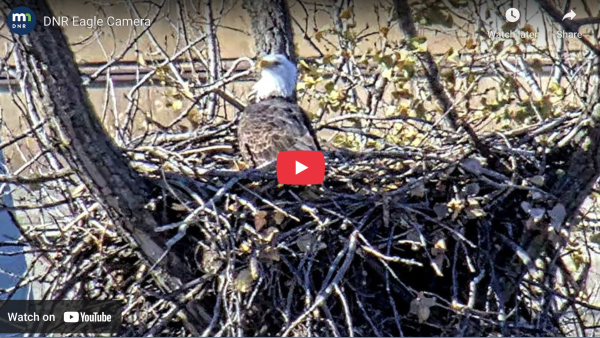
This wildlife camera follows a pair of bald eagles during their breeding season. Minnesota has one of the largest bald eagle populations in the lower 48 states. This pair’s nest is located near the Mississippi River in the Twin Cities area. Watch their story unfold. (Note: there is no audio with this camera at this time.)
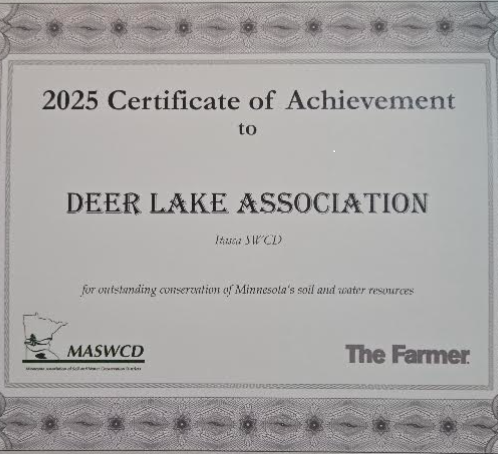
Since the inception of Itasca County’s Aquatic Invasive Species program in 2014 the Deer Lake Association has made a major impact in the fight against the spread of AIS, as members of the AIS Technical Advisory Committee, and for their AIS efforts on Deer Lake.
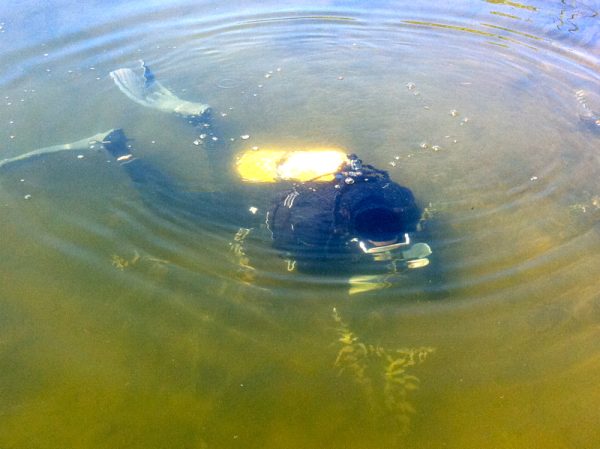
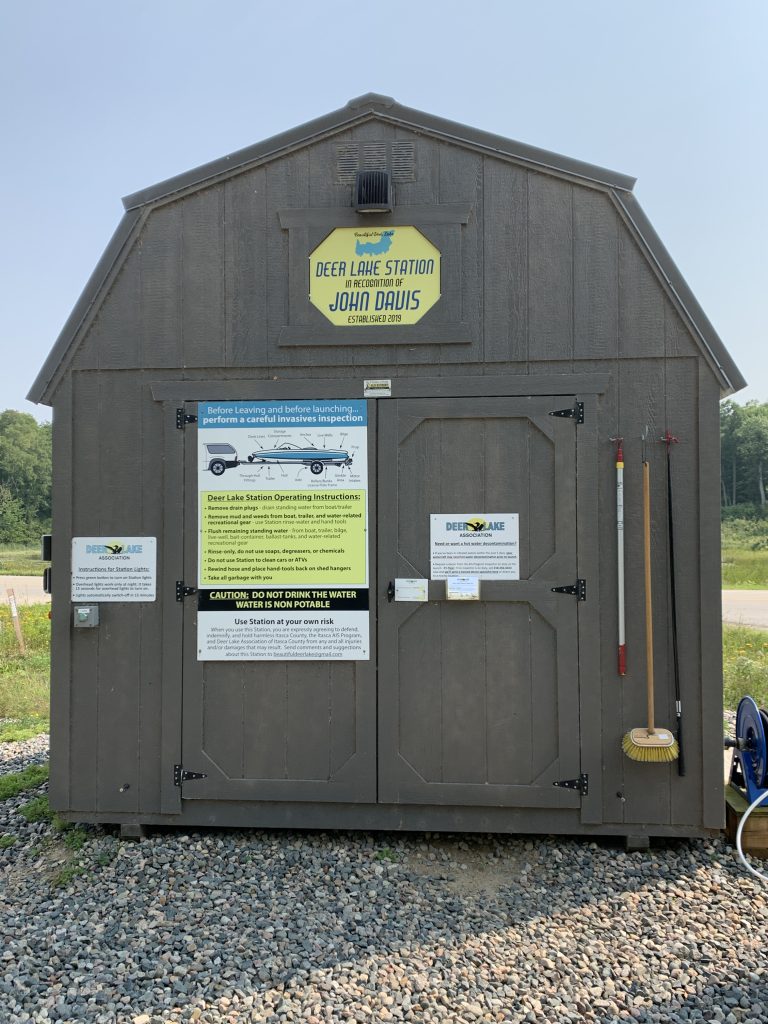
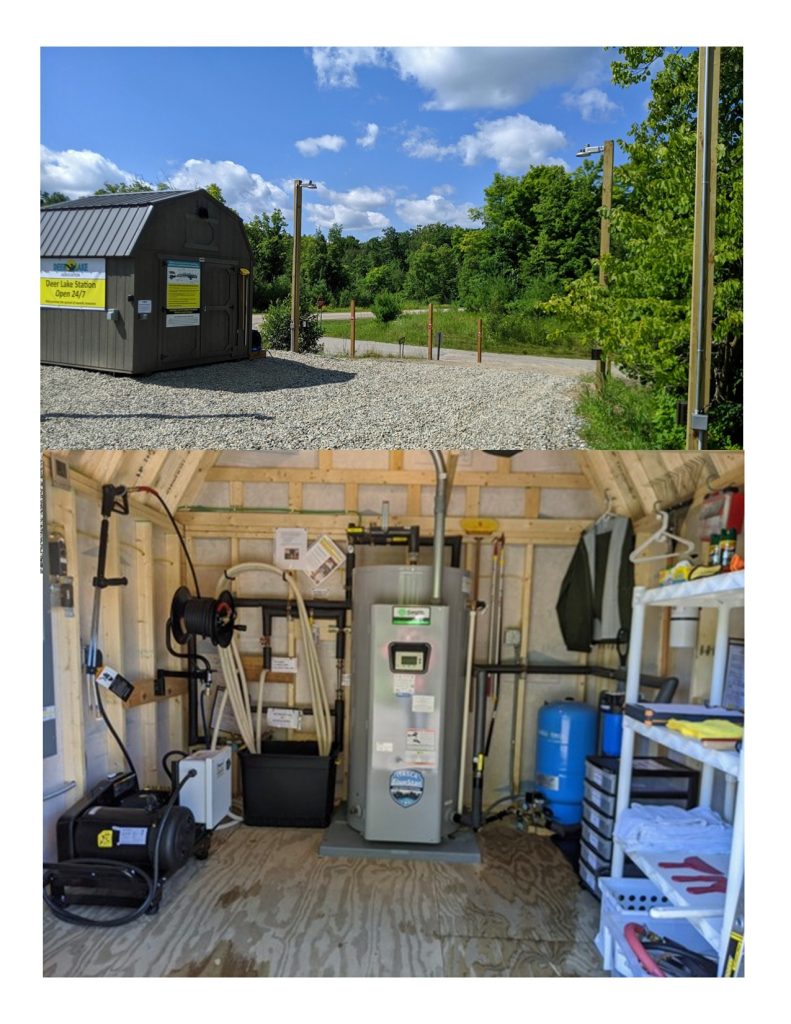
The “Deer Lake Station” was created in 2019 due to the efforts of former DLA President John Davis, to ensure that boaters had convenient access to the proper tools needed to decontaminate their watercraft when entering or exiting area lakes. The Deer Lake Association has also been very active in the control of the Curly Leaf Pondweed (CLP) population discovered on the lake in 2020 through hand-removal of the plants, as well as limited granular herbicide applications. For many years neighbor Jon Arsenault volunteered to scout the Access Bay for CLP by scuba. Chris Evans has been the leader of the Control and Monitoring crew from SWCD, and has worked closely with the DLA. The Itasca SWCD is proud to recognize and celebrate the Deer Lake Association’s ongoing commitment to stewardship, collaboration, and environmental resilience.
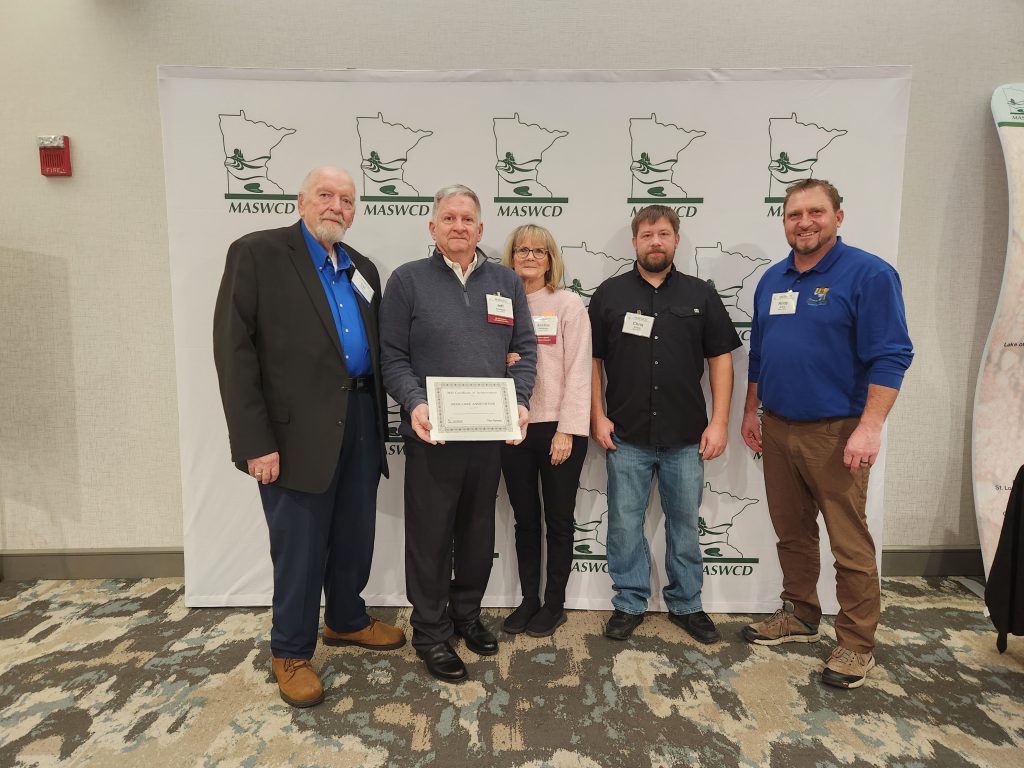
Pictured above at the award ceremony at the Minnesota Association of SWCDs, are Itasca SWCD Board Chairman Calvin Sarri, Jeff and Jackie Johnson, Chris Evans, and Andy Arens, Itasca SWCD Manager.
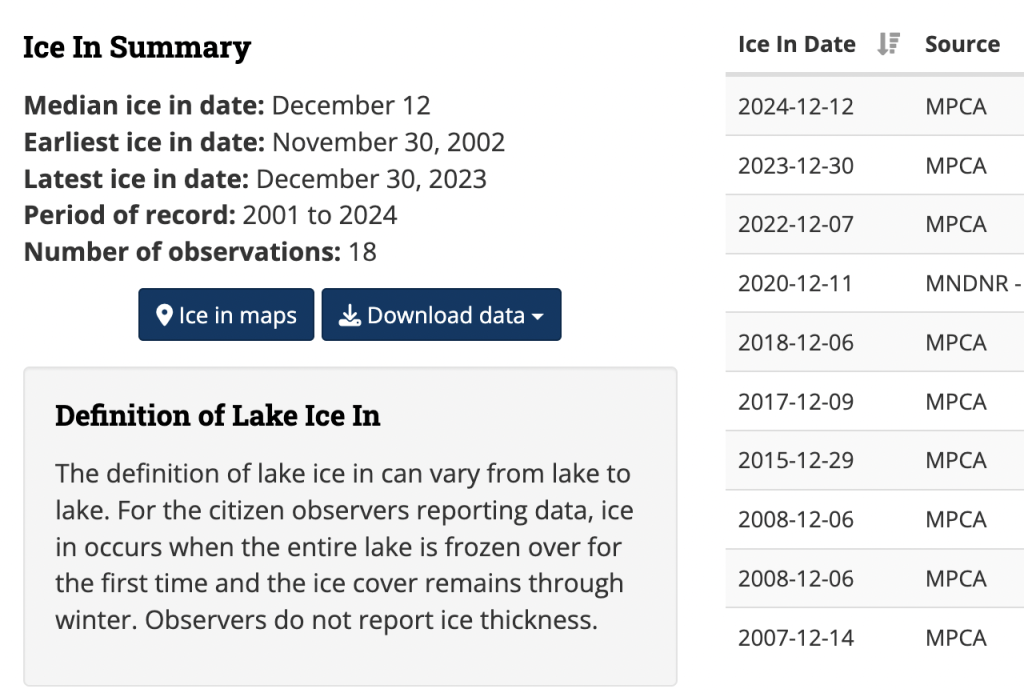
On the night of December 7th Deer Lake froze over for the winter!
Photos are of the North-East section, looking south toward Christmas Point:
This is an updated photo the ice conditions on December 22. There was a warm stretch that melted off much of the snow followed by another big freeze. The lake is still not skate-ready, but easily traveled by anglers out for catch.
Looks like there will not be a Skating Season this year ?